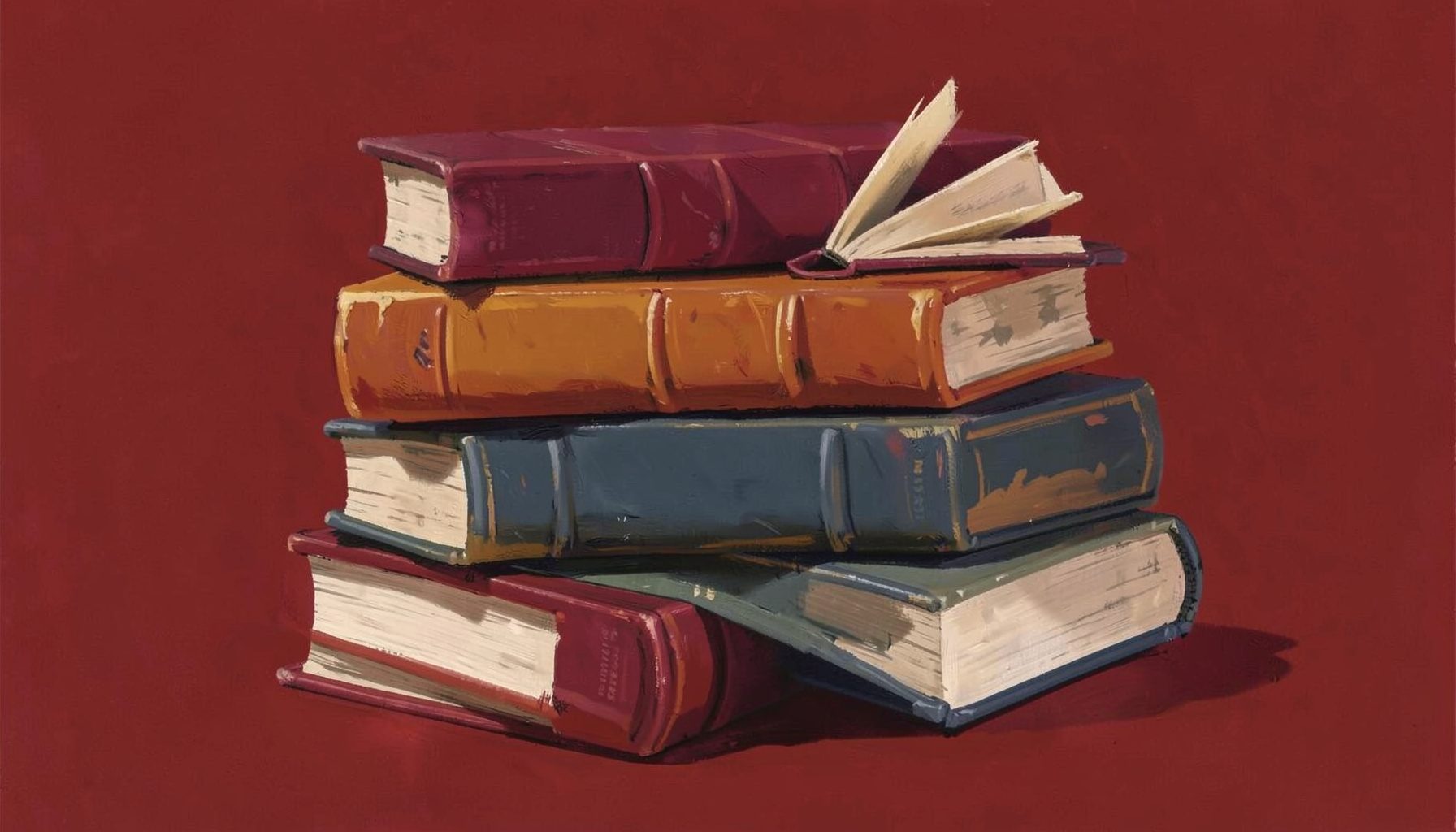
Edited by Daniel Nester, The Incredible Sestina Anthology gathers dozens of contemporary poets working in one of poetry's most demanding and rewarding forms. From the comic to the elegiac, the collection showcases the sestina's remarkable range.
"The Incredible Sestina Anthology has everything, and by 'everything,' I mean sestinas."
— Saara Myrene Raappana, American Book Review
The anthology has drawn attention from the New York Times, the Albany Times Union, The Chronicle of Higher Education, and Geekadelphia, among others. Contributors include Kolleen Carney, Victor D. Infante, Erika Dreifus, Brian Henry, Jonah Winter, and many more.
Read the PressThe sestina form has long captivated poets with its intricate pattern of six end-words repeated in shifting order across thirty-nine lines. What begins as a mechanical constraint quickly becomes a vehicle for surprise, as familiar words rotate into fresh contexts and reveal unexpected emotional textures. The form demands both discipline and playfulness, rewarding those who trust its strange architecture. In the right hands, the sestina transforms repetition into revelation, turning a handful of ordinary words into something resonant and strange.
Contemporary poets continue to find new life in this centuries-old form, proving that the sestina is far more than a historical curiosity. Writers working across styles and sensibilities have embraced its circular logic, using the form to explore everything from personal memory to cultural critique. The constraint of the end-word pattern often pushes poets toward discoveries they might never have made in freer forms, making the sestina a uniquely generative space for creative work.
An anthology dedicated to the sestina offers readers a rare opportunity to see the form through many different lenses. Rather than isolating a single voice or school of poetry, such a collection gathers diverse approaches under one roof, revealing the surprising range of tones and subjects the form can accommodate. The cumulative effect is a kind of conversation among poets, each responding to the same structural challenge in their own distinctive way.
Behind every sestina lies a story of craft and decision-making. Interviews and essays from contributing poets open a window into the creative process, shedding light on how writers choose their end-words, navigate the form's demands, and find their way to a satisfying conclusion. These reflections demystify the sestina without diminishing its magic, offering both aspiring poets and curious readers a deeper appreciation for what goes into making the form work.
The communal life of poetry extends beyond the page into readings, launches, and festival gatherings where poets and audiences come together. Events celebrating the sestina have brought writers into bookshops, libraries, and literary festivals, creating spaces where the form can be heard aloud and experienced in real time. These gatherings remind us that poetry is not only a solitary art but also a shared occasion for connection and discovery.
The sestina occupies a unique position between comedy and tragedy, the sacred and the profane. Its repetitive structure can generate incantatory gravity or playful absurdity, sometimes within the same poem. This tonal flexibility makes the form unusually adaptable, capable of holding grief and humor, reverence and irreverence, in productive tension. Few poetic structures accommodate such a wide emotional range while maintaining their distinctive character.
For readers encountering the sestina for the first time, the form can feel like a puzzle that gradually reveals its emotional logic. The recurring end-words act as touchstones, guiding the reader through the poem's unfolding landscape. With each return, the familiar word carries new weight, accumulating meaning through its changing relationships with the surrounding lines. The experience is one of deepening recognition rather than simple repetition.
The enduring appeal of the sestina lies in the way it balances freedom and constraint. The fixed pattern provides a reliable framework, yet within that structure the poet retains enormous latitude for invention. This interplay between rule and possibility mirrors something essential about the creative process itself, making the sestina a form that continues to attract and challenge writers across generations.